Just one month after taking the helm as Apple's chief executive officer, John Ternus has made revitalizing product design a central priority of his leadership. According to reporting from Bloomberg's Mark Gurman, Ternus has embedded himself directly inside Apple's industrial and interface design studios, signaling an intentional shift back toward the product-first culture that defined the company's most celebrated eras.
The move marks a sharp operational pivot from former CEO Tim Cook, who steered Apple to historic financial heights through masterly supply chain execution and operational efficiency. With Cook now serving as executive chairman, Ternus—a veteran hardware engineer who spent more than two decades shaping devices like the iPad, Mac, and iPhone—is actively reframing how executive leadership engages with product creators in Cupertino.
Inside the Studio: A Hands-On Approach to Hardware and Software
According to Gurman's Power On report, Ternus now spends significant time working alongside Apple's designers inside the company's dedicated design labs several times a week. On particularly intensive days, the chief executive has been known to visit the studio multiple times in a single day.
That level of executive immersion stands in stark contrast to Cook's routine. During his 15-year tenure at the top, Cook typically visited the design studio for about one hour once a month, at most. While Cook trusted his lieutenants to carry out product development while he managed regulatory hurdles, operations, and global logistics, Ternus views direct creative oversight as his core value proposition.
To free up his calendar for daily product work, Ternus has established a strict division of executive responsibilities:
- Financial Strategy: Handled directly by Chief Financial Officer Kevan Parekh.
- Supply Chain and Operations: Delegated to Chief Operating Officer Sabih Khan.
- Engineering & Architecture: Steered closely alongside Chief Hardware Officer Johny Srouji and hardware engineering leader Tom Marieb.
- Industrial and Human Interface Design: Directly overseen by Ternus himself.
Apple has confirmed internally that it is not mounting an external search for an overarching Chief Design Officer. Instead, Ternus has effectively chosen to serve as the ultimate arbiter across both the physical appearance of hardware and the digital experience of software.
| Executive Metric | Tim Cook Era (2011–2026) | John Ternus Era (2026–Present) |
|---|---|---|
| Studio Visit Frequency | ~1 hour once a month | Multiple days per week (often multi-visit days) |
| Core Background | Supply Chain & Industrial Engineering | Mechanical Engineering & Hardware Product Development |
| Design Reporting Structure | Routed through COO Jeff Williams (until 2025) | Direct line from design leaders to CEO |
| Executive Delegation | Deep personal focus on operations, tariffs, and financials | Delegated to CFO Parekh and COO Khan; focused on R&D and design |
| Design Team Role | Operational execution within rigid multi-year production pipelines | Direct collaboration with C-suite; pushing shorter, experimental cycles |
Rebuilding Apple's Design Ranks
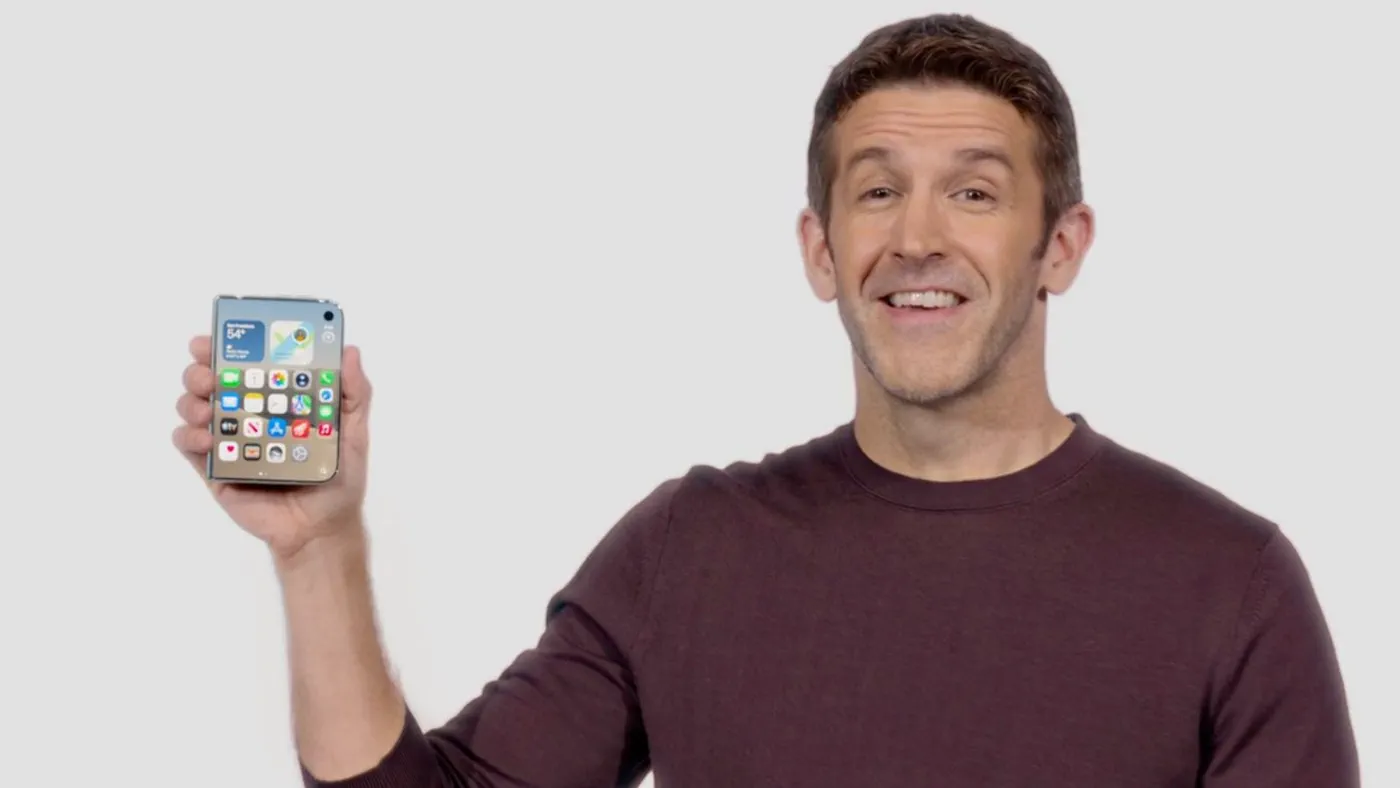 Photo: MacRumors: Mac News and Rumors - Front Page (source)
Ternus's immersion comes at a critical juncture for Apple's design organization, which has endured significant upheaval over the past several years. Following the high-profile exit of longtime design chief Jony Ive in 2019, Apple lost several prominent veterans. Evans Hankey, who succeeded Ive as head of industrial design, left the company shortly thereafter, and interface design head Alan Dye departed for Meta. Competing firms—most notably OpenAI, which teamed with Ive's design studio LoveFrom—have steadily poached seasoned Apple craftspeople.
To replenish the ranks and restore morale, Apple has elevated internal veterans while cautiously injecting outside perspectives:
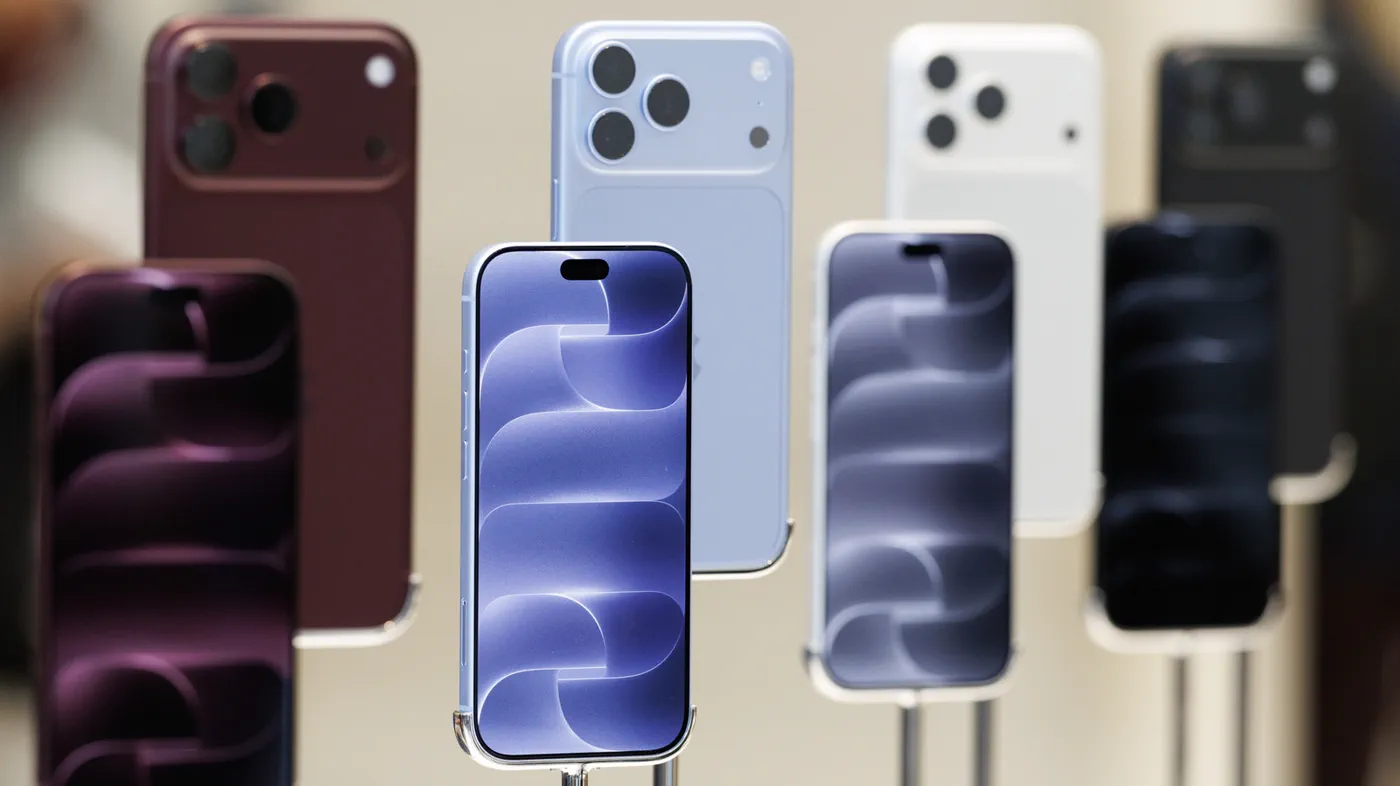
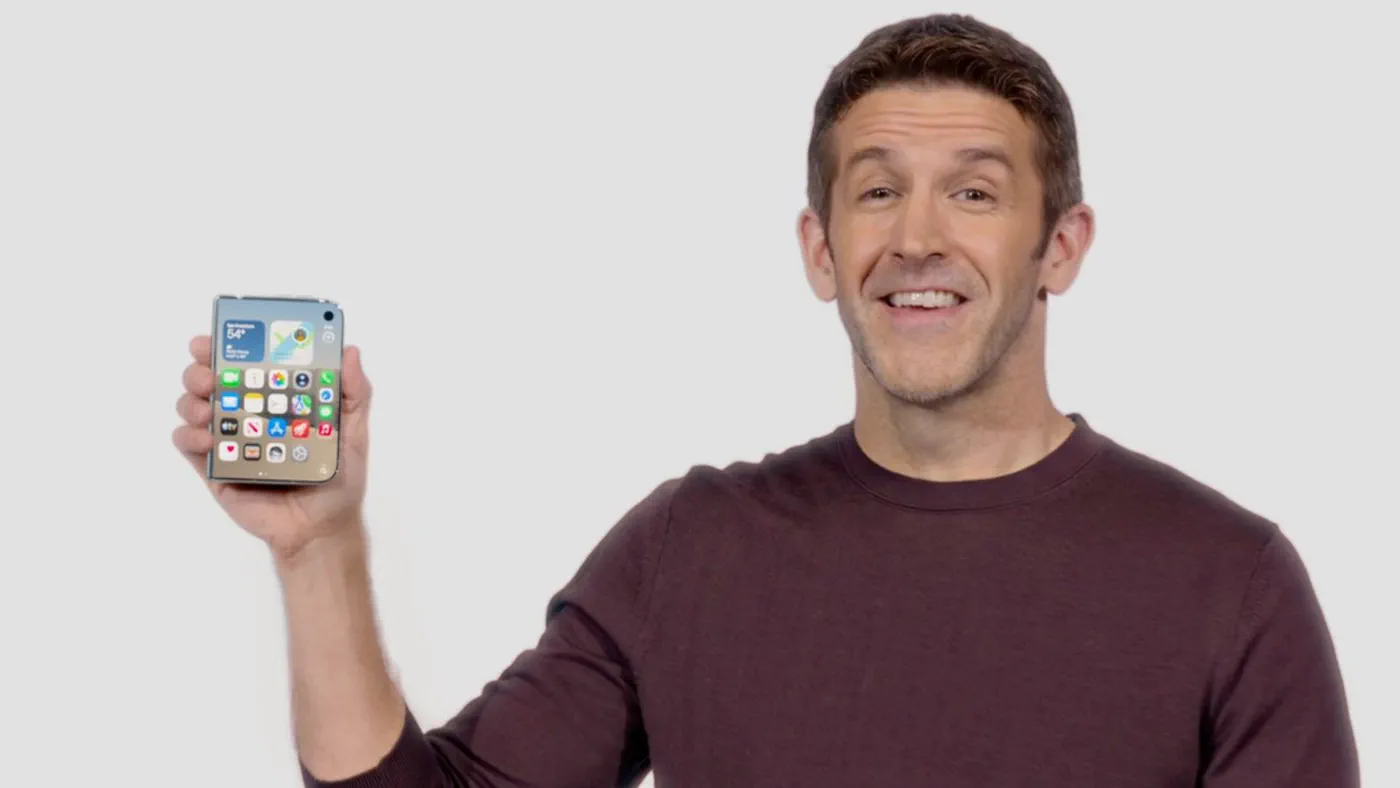
- Molly Anderson: Promoted to Vice President of Industrial Design, leading hardware aesthetics. A respected industrial designer with deep roots in Apple Watch development, Anderson was added to Apple's executive leadership page earlier this year and took center stage alongside Ternus during the recent launch of the iPhone Duo.
- Steve Lemay: Heading the Human Interface Design team, directing user experience across iOS, macOS, visionOS, and software platforms.
- Outside Hires: Rather than relying exclusively on internal promotions, Apple has brought in notable external creative talent, including acclaimed Belgian furniture designer Julien Renault, who joined the industrial design studio in recent days.
Under the previous arrangement, design heads did not enjoy direct access to the CEO. Instead, they reported to former Chief Operating Officer Jeff Williams. While Williams was widely respected for his organizational leadership, critics inside and outside the company argued that having creative designers report to a logistics executive inadvertently turned Apple's design studio into a "service bureau" subordinated to engineering schedules and production yields. When Williams retired in 2025, Cook handed direct oversight to Ternus as part of the transition plan, giving Ternus several months to bond with the teams before formally stepping into the CEO suite.
The Background: Escaping the Iteration Trap
For much of the past decade, Apple faced growing criticism from industry analysts and consumers for relying on iterative, safe design choices. The core aesthetic of the iPhone, Apple Watch, iPad, and MacBook evolved conservatively, retaining familiar silhouettes across multiple product cycles.
While this conservative approach minimized manufacturing risk and generated record revenues, it also allowed competitors across Asia to take the lead in hardware form factors—introducing aggressively slim foldables, novel camera systems, and alternative materials. Within Apple Park, frustrated designers privately questioned whether bold creative proposals were being discarded too early in favor of predictable production yields.
Gurman notes that a frank conversation between Cook and Ternus during the CEO succession proved to be a turning point. Cook advised Ternus not to mimic his management style, but rather to lead by focusing on where he personally could generate "the most value for Apple". For Cook, that was operational rigor, enterprise expansion, and geopolitical navigation. For Ternus, whose reputation was built on hands-on prototyping and engineering problem-solving, that value lay squarely in the studio.
Shorter Lifecycles and Leaner Teams
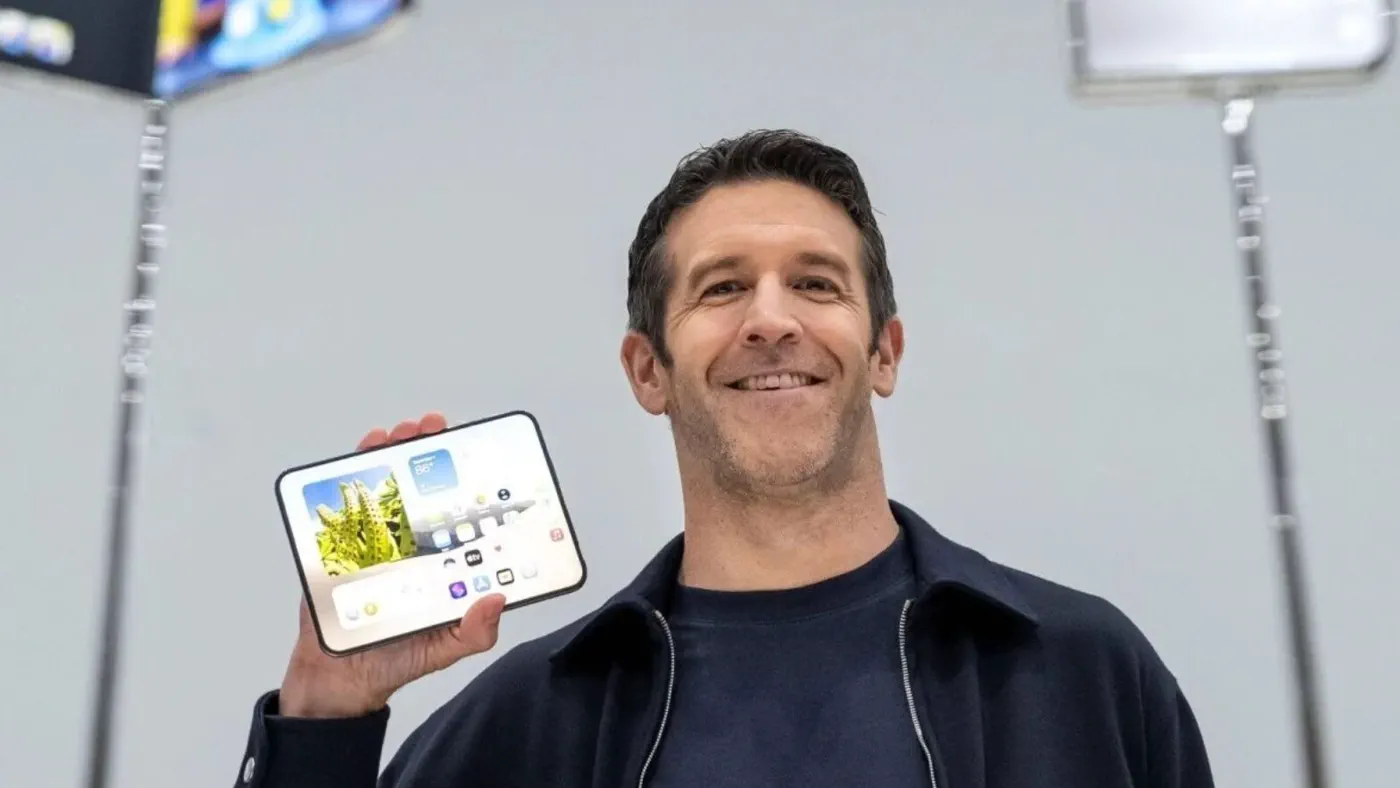 Photo: beebom.com (source)
Ternus's hands-on approach to design is part of a broader corporate restructuring underway in Cupertino. Ternus has already begun trimming layers of middle management within Apple's engineering and operations divisions to give designers and engineers closer, uninhibited access to executive decision-makers.
Apple has dismissed a number of engineering program managers and directors to flatten the chain of command, a transition that staff have described as intense and fast-paced. Ternus has also signaled an interest in moving away from rigid, predictable spring-and-fall hardware release windows, aiming instead for more frequent, experimental launches. By collapsing the bureaucratic distance between prototype benches and the corner office, Apple hopes to slash development timelines for new device categories.
What It Means for Buyers and Apple Ecosystem Users
For consumers, a CEO immersed in industrial design and human interface creates tangible, long-term implications for the devices they purchase:
- Cohesive Hardware-Software Synergy: With Ternus overseeing both Molly Anderson (hardware) and Steve Lemay (software), Apple avoids the friction that often arises between physical form and interface dynamics.
- Bolder Form Factors: The studio's newfound institutional backing suggests Apple will be far more willing to embrace radical redesigns and take risks on new form factors, such as next-generation foldables, smart glasses, and wearable camera devices.
- Return to Form-Meets-Function: Ternus's engineering background historically led to consumer-friendly design corrections—such as restoring physical ports and MagSafe to the MacBook Pro and removing the controversial butterfly keyboard. His stewardship suggests hardware will prioritize usability alongside sleek minimalism.
- Faster Product Updates: If Ternus succeeds in streamlining development bureaucracy, buyers may see targeted product updates roll out continuously, rather than waiting for annual calendar refreshes.
What Happens Next
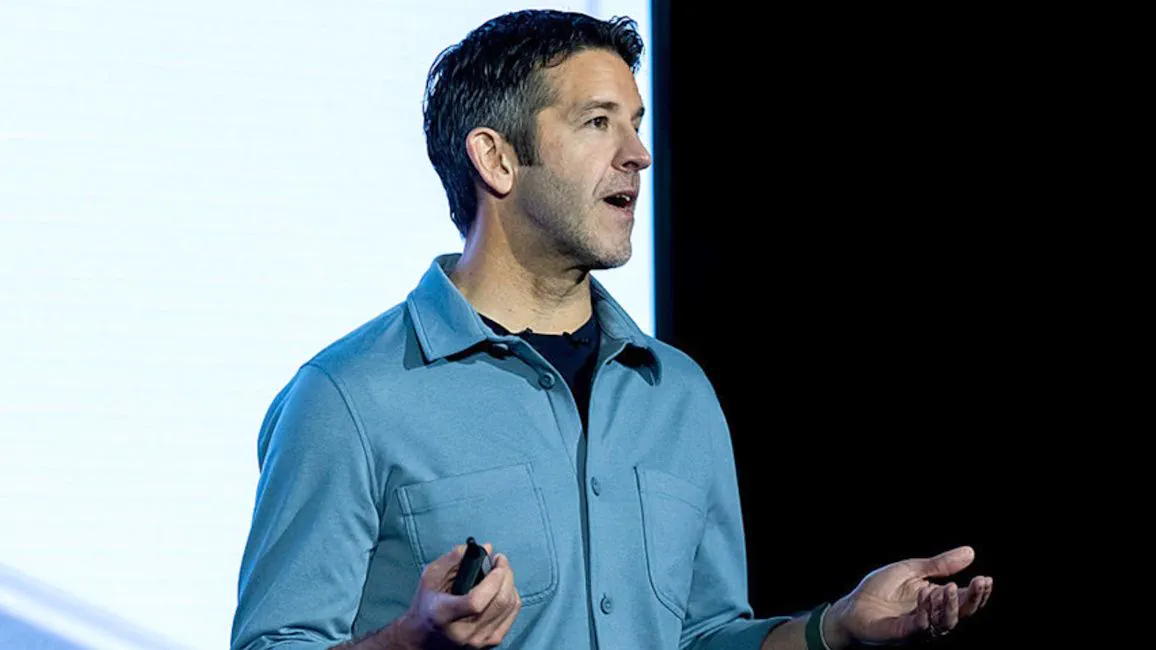 Photo: beebom.com (source)
Ternus faces an immediate series of high-stakes tests. While early reaction to the iPhone Duo signaled consumer appetite for fresh hardware ideas, Apple still faces stiff challenges in consumer artificial intelligence. Skepticism lingers over delayed software enhancements and the integration of next-generation Siri voice models.
Over the coming months, industry watchers will be looking closely at Apple's upcoming hardware slate—rumored to include overhauled displays, updated smart home hubs, and early explorations into augmented-reality eyewear—to see whether Ternus's studio hours translate into breakout hits. If his hands-on strategy succeeds, it could re-establish Apple not just as a dominant business enterprise, but as tech's undisputed design leader.
FAQ
Who is Apple's new CEO? John Ternus became Apple's Chief Executive Officer on September 1, 2026, succeeding Tim Cook, who transitioned to the role of Executive Chairman. Prior to becoming CEO, Ternus served as Apple's Senior Vice President of Hardware Engineering.
Who leads Apple's design teams today? Molly Anderson leads Industrial Design, focusing on hardware, while Steve Lemay leads Human Interface Design, overseeing software. Both report directly to CEO John Ternus, who acts as the ultimate design decision-maker.
Is Apple hiring a new Chief Design Officer? No. Apple has indicated it is not searching for an outside Chief Design Officer to replace the role once held by Jony Ive. Instead, John Ternus has chosen to fill the overarching executive design role himself.
How does John Ternus's approach differ from Tim Cook's? Tim Cook managed Apple primarily through operations, financials, and supply chain logistics, visiting the design studio about once a month for an hour. Ternus visits the design studio several times each week, actively participating in day-to-day hardware and interface decisions.
Who is managing Apple's finances and supply chain under Ternus? Ternus has delegated day-to-day financial strategy to Chief Financial Officer Kevan Parekh and operations and global supply chain logistics to Chief Operating Officer Sabih Khan.