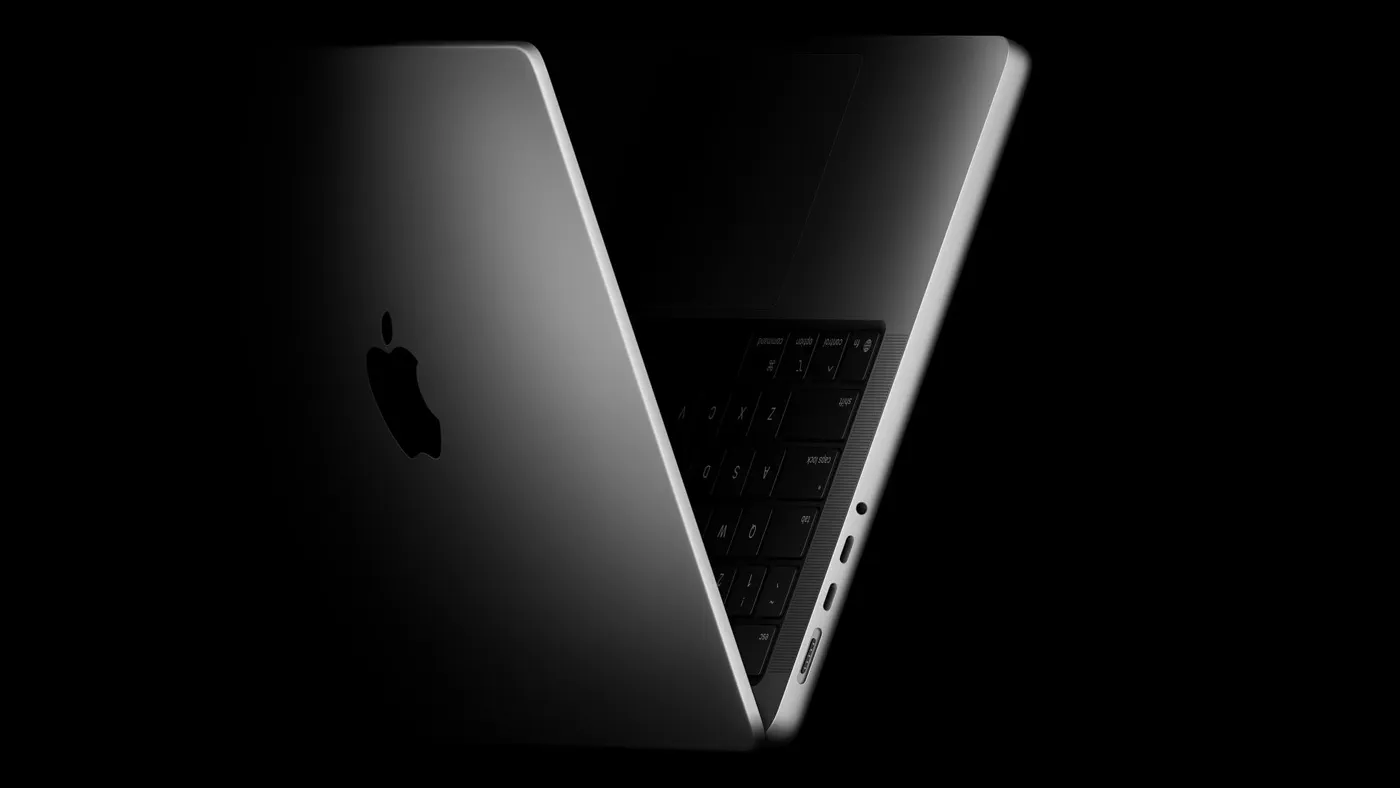
Apple is preparing one of the most substantial hardware overhauls in the history of the MacBook Pro, and the upcoming machines will reportedly be significantly lighter than existing models. According to Bloomberg’s Mark Gurman, Apple has reengineered the laptop's interior to dramatically shave off heft, combining internal miniaturization with the transition to an ultra-thin Tandem OLED display and touchscreen support.
The report arrives as anticipation builds for Apple's late-fall hardware introductions. For years, MacBook Pro users have appreciated the thermal headroom and endurance introduced during Apple's transition away from Intel silicon, but those gains came at the cost of thickness and weight. With the next-generation redesign reportedly nearing launch, Apple is poised to address that physical burden directly.
Reengineering the Chassis: What Apple Changed Inside
In his Power On newsletter, Gurman detailed that the weight reduction is not merely a byproduct of removing older display hardware. Instead, Apple undertook a comprehensive internal overhaul. "Apple has reengineered the machine's interior, miniaturizing parts and rearranging components to make the computer much easier to carry," Gurman noted.
While exact gram-for-gram weight targets remain unconfirmed, the shift will be most obvious on the larger 16-inch model. The current 16-inch chassis tops out at 4.7 to 4.8 pounds, turning it into a noticeable anchor inside backpacks and messenger bags. By comparison, the 15-inch MacBook Air weighs 3.3 pounds, establishing a wide 1.5-pound gulf between thin-and-light everyday computing and heavy professional power.
Miniaturizing logic boards, redesigning cooling assemblies, and consolidating internal brackets appear to be central to Apple's strategy. The switch away from mini-LED backlights also plays an structural role. Mini-LED systems require a thick array of thousands of individual diodes behind an LCD panel. In contrast, self-emissive OLED panels eliminate bulk and allow lid assemblies to become measurably slimmer.
Watch: Touchscreen MacBook Pro: The Upgrade Nobody Saw Coming! Massive OLED Leak

Video: SpecXcel on YouTube
The OLED and Touchscreen Revolution Comes to macOS
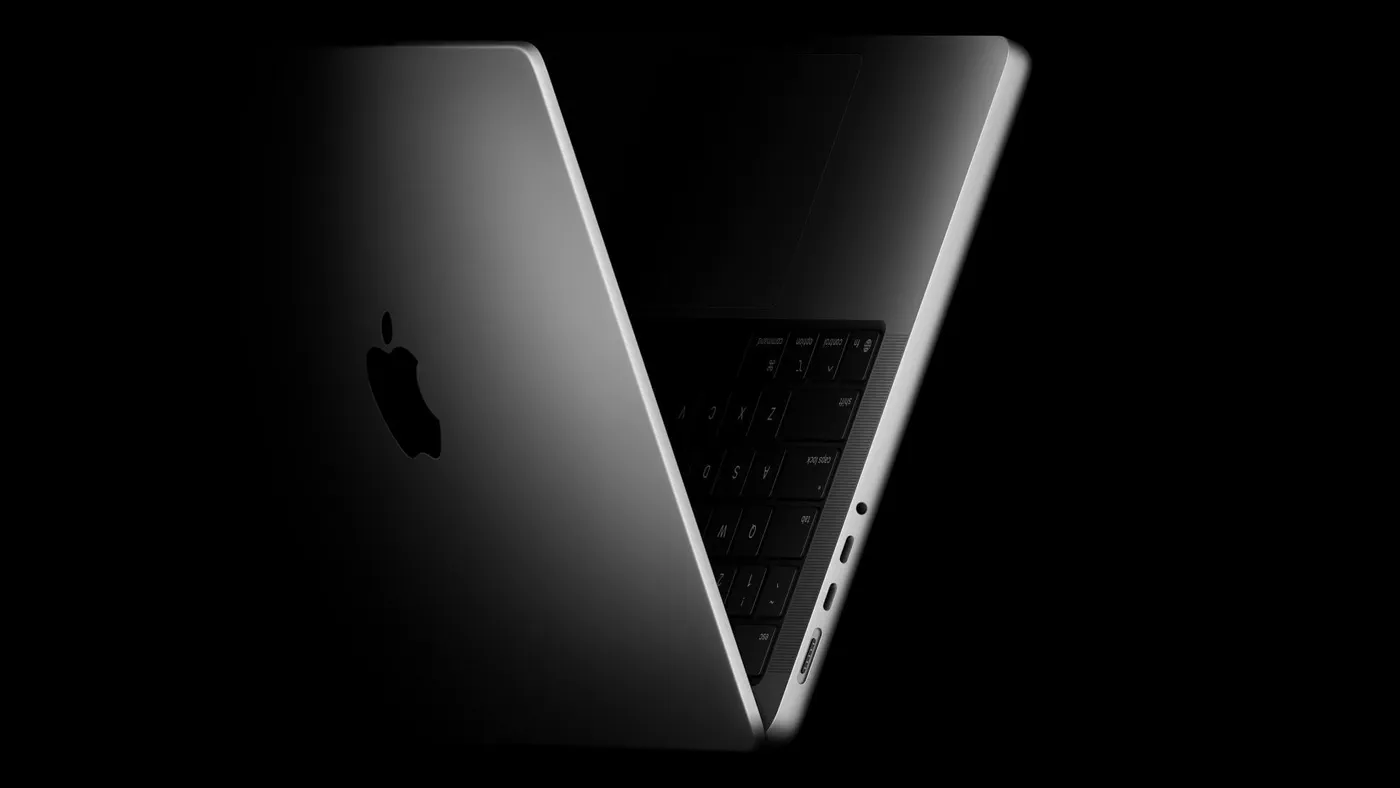 Photo: MacRumors: Mac News and Rumors - Front Page (source)
Display technology represents the second pillar of this redesign. The new machines—internally codenamed K114 (14-inch) and K116 (16-inch)—are slated to adopt Tandem OLED panels similar to the high-performance screens Apple introduced on the iPad Pro. Tandem architecture stacks two organic light-emitting layers to achieve brighter full-screen output, deeper contrast, pitch blacks, and substantially longer panel longevity than conventional single-layer OLEDs.
Crucially, Apple is also breaking its long-held philosophical resistance to touch-enabled laptops. For over a decade, former Apple executives maintained that reaching across a keyboard to tap a vertical screen was an ergonomic nightmare. However, changing software ecosystems and creative workflows have driven user demand for hybrid interaction. Touch capability will reportedly be integrated directly into the Tandem OLED layer without adding perceptible thickness or weight to the display lid.
Dynamic Island and macOS Golden Gate Integration
To make touch interaction practical without compromising traditional keyboard and trackpad workflows, Apple has overhauled its software interface. According to reports, Apple is testing the upcoming notebooks on macOS 27.2, tied to the broader macOS Golden Gate release cycle.
Software engineers have reportedly adapted key interface controls to expand dynamically when a finger approaches or taps the glass, avoiding the pitfall of tiny, hard-to-hit menu bar items. Contextual menus, media sliders, and scrolling interfaces will seamlessly respond to tactile input while remaining optimized for precision pointer manipulation.
At the top of the display, the traditional camera notch introduced in 2021 is expected to disappear. In its place, Apple is introducing a Dynamic Island cutout derived from the iPhone lineup. This compact hardware cutout will host updated camera sensors while housing interactive background activities, system alerts, audio playback controls, and multitasking status indicators right within the menu bar space.
Under the Hood: Why Apple Is Sticking With M5 Pro and M5 Max
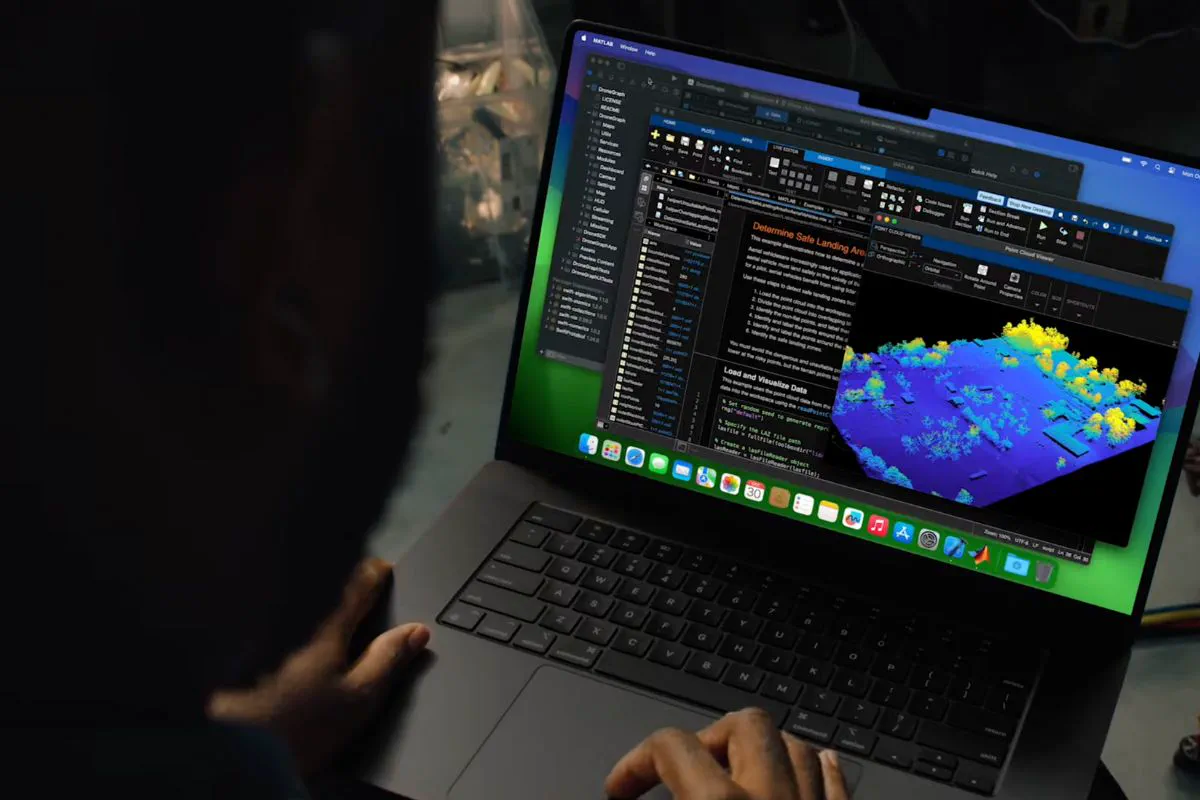 Photo: theapplepost.com (source)
One of the most surprising disclosures in Gurman's report centers on Apple Silicon. While hardware enthusiasts often anticipate a new industrial design to premiere alongside a new generation of chip architecture, these new MacBook Pros are expected to retain the existing M5 Pro and M5 Max processors.
Apple has reportedly reorganized its chip rollout schedule, opting to bypass higher-tier M6 chips (such as M6 Pro or M6 Max) entirely in order to divert foundry and engineering bandwidth toward an accelerated M7 transition planned for late 2027. While an entry-level 14-inch model using a base M6 chip may appear in parallel testing, the high-end configurations will lean on the proven power, GPU scalability, and thermal performance of the M5 series.
| Feature / Metric | Current MacBook Pro (16-inch) | Upcoming OLED MacBook Pro (16-inch) | Current MacBook Air (15-inch) |
|---|---|---|---|
| Display Type | Liquid Retina XDR (Mini-LED) | Tandem OLED | Liquid Retina (Standard LCD) |
| Touch Support | None | Multi-touch gesture enabled | None |
| Display Cutout | Static notch | Dynamic Island cutout | Static notch |
| Chassis Weight | 4.7 to 4.8 lbs (2.18 kg) | Unconfirmed, 'significantly lighter' | 3.3 lbs (1.50 kg) |
| Processor Options | M5 Pro / M5 Max | M5 Pro / M5 Max | M4 / Base variants |
| Target OS Version | macOS Golden Gate (Initial) | macOS 27.2 | macOS Golden Gate |
Design Philosophy Under John Ternus
The upcoming redesign represents a critical milestone in hardware development following organizational shifts led by Apple CEO John Ternus. Ternus, who rose through hardware engineering before taking the helm, has consolidated Apple's industrial design and hardware teams directly under his executive purview.
Where the 2021 redesign prioritized pure utilitarian function—restoring legacy ports like HDMI and the SD card reader while accepting bulkier, heavier enclosures—the new mandate focuses on refining that mechanical envelope. The challenge facing the engineering team is preventing the pitfalls of the pre-2020 "butterfly keyboard" era: the new laptops must achieve significant weight reduction and thinness without sacrificing ports, thermal dissipation, battery endurance, or structural durability.
Practical Advice: What It Means for Buyers
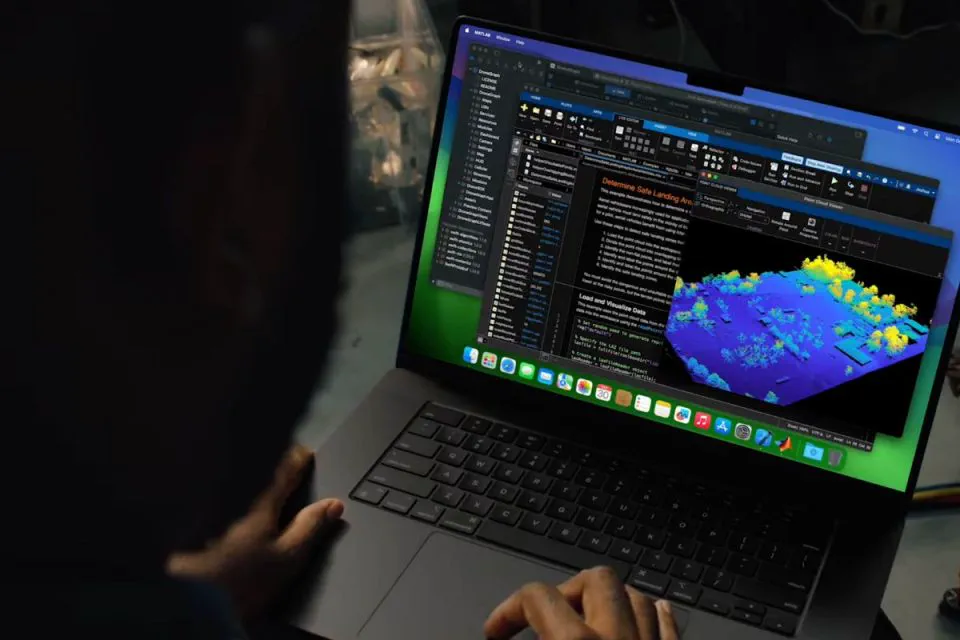 Photo: theapplepost.com (source)
For current professionals and students, the imminent launch alters buying strategies depending on specific workflow priorities:
- If you carry your laptop daily: Frequent travelers, students, and mobile creatives carrying a 16-inch MacBook Pro stand to gain the most from this revision. If everyday shoulder strain has tempted you toward an under-powered MacBook Air, waiting a few weeks for the lighter Pro is the smart move.
- If you rely on battery endurance and peak cooling: Wait for independent testing. Shaving physical mass and interior volume can influence fan sizing and passive heatsink area. Discerning power users should verify that thermal throttling does not throttle sustained renders under load.
- If you want maximum silicon gains: Because the laptops are expected to ship with the existing M5 Pro and M5 Max chips rather than an M6 Pro architecture, current M5 Pro owners have less incentive to upgrade unless the lighter chassis, touchscreen, and OLED display are non-negotiable personal requirements.
What Happens Next
Gurman and supply-chain trackers point to an official unveiling within weeks, with units slated to debut around November. Testing builds of macOS 27.2 are already circulating internally to validate drivers for both the touch-digitizer hardware and Dynamic Island interface frameworks. Unanswered questions remain regarding whether Apple will brand the top-tier configuration under a premium "MacBook Ultra" moniker and how aggressive price points will be given the premium cost of tandem OLED panels.
FAQ
How much lighter will the new MacBook Pro be?
Bloomberg did not specify an exact weight, but sources confirm the reduction is "significant" thanks to redesigned internal components and thinner display hardware. The current 16-inch model weighs up to 4.8 pounds, giving Apple substantial room to cut mass.
When is the OLED MacBook Pro expected to launch?
Mark Gurman reports that the new MacBook Pro models are actively in testing and could launch as early as November.
Will the new MacBook Pro feature an M6 processor?
Reports indicate Apple will bypass higher-end M6 Pro and M6 Max processors in these machines, launching them instead with existing M5 Pro and M5 Max chips while expediting the next-generation M7 platform for 2027.
Can you use a touch pen or Apple Pencil on the new screen?
While the display will support direct multi-touch gestures, Apple has not confirmed Apple Pencil support, with reports indicating touch features are focused primarily on tap, scroll, and zoom navigation.
Will the ports be removed to make the chassis lighter?
There are no indications that Apple is removing ports. The weight loss is credited to internal component miniaturization and lighter Tandem OLED display assemblies rather than a reduction in I/O functionality.