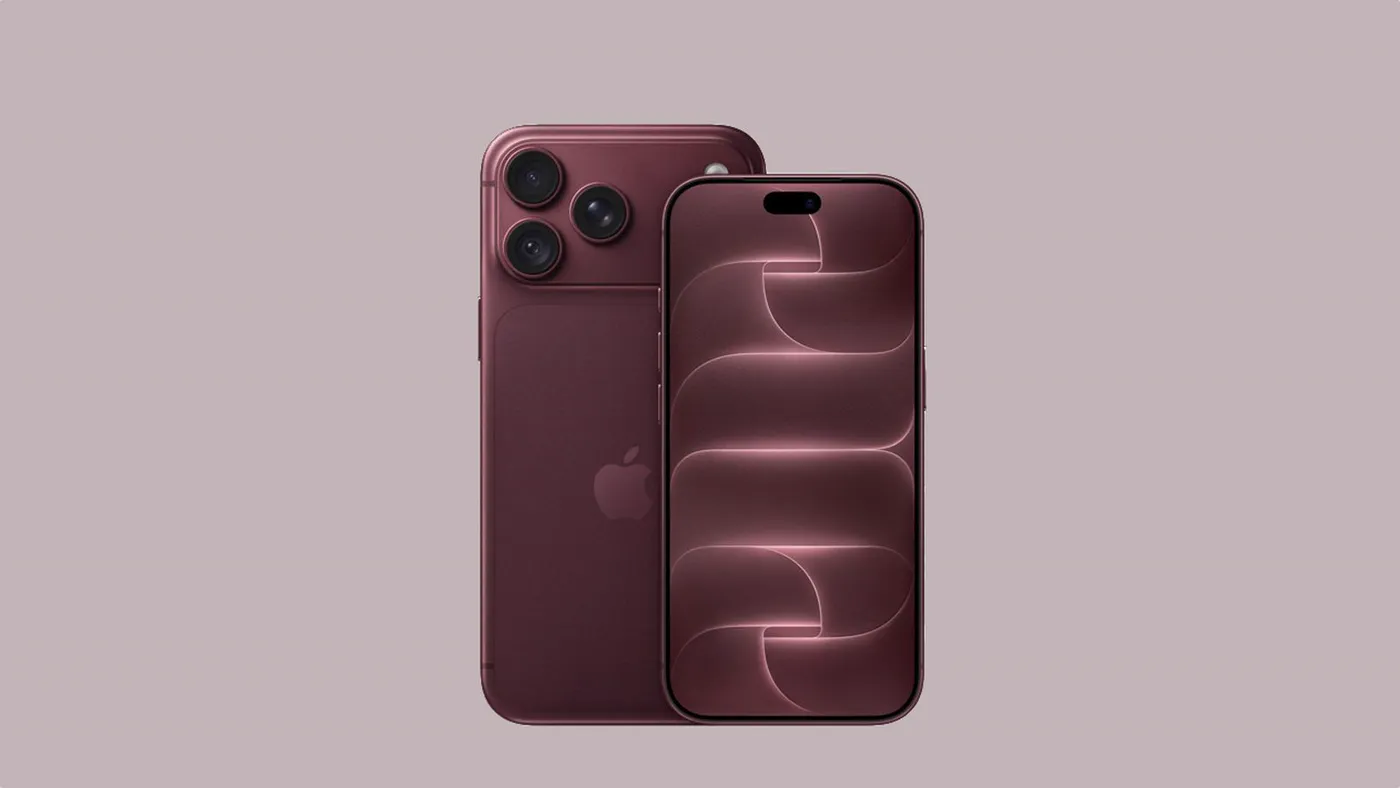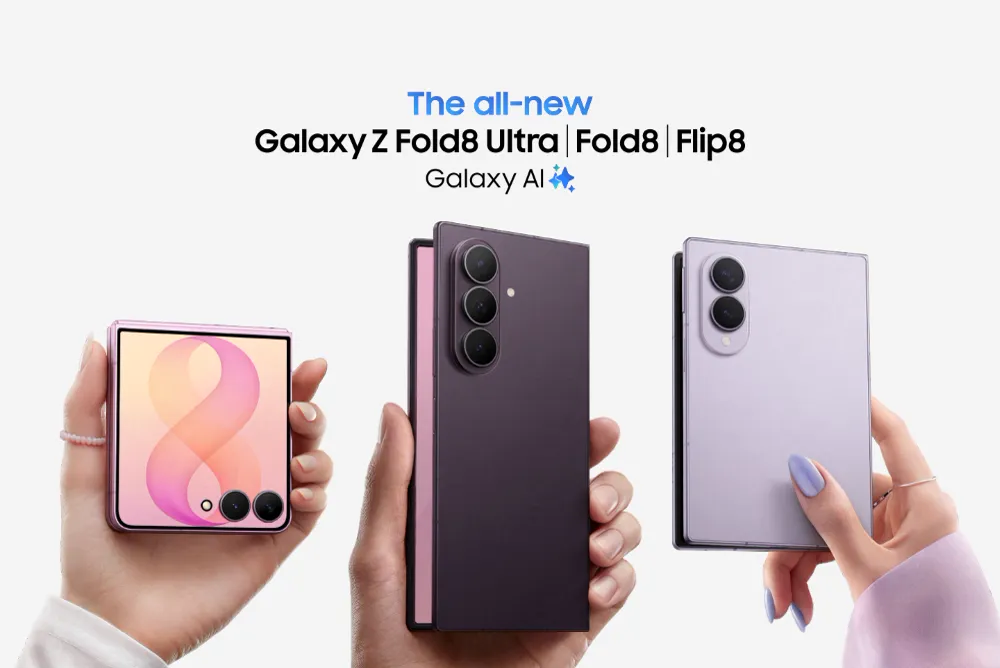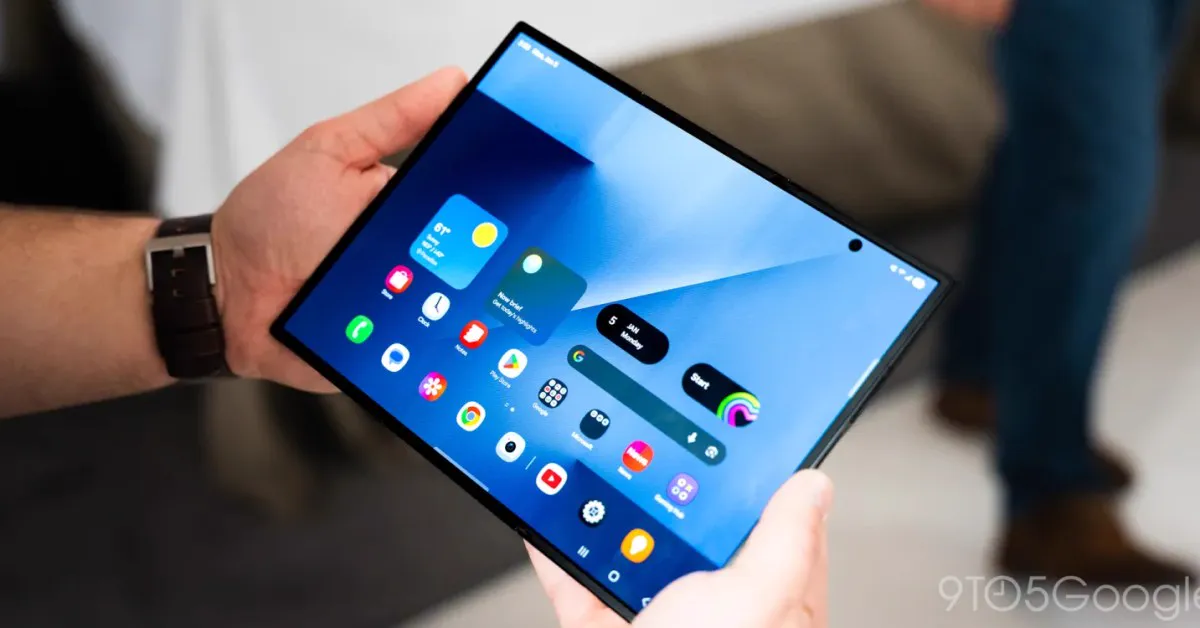
Samsung is reportedly accelerating development of its second-generation tri-fold smartphone, the Galaxy Z TriFold 2, following Apple’s blockbuster reveal of the iPhone Duo. Supply chain reports emerging this week indicate the South Korean tech giant is re-evaluating its product roadmap to counter Apple's aggressive push into the premium foldable market.
According to prominent tech leaker Lanzuk and corroborated across Korean supply chain outlets, Samsung leadership has initiated internal discussions to fast-track both the Galaxy Z TriFold 2 and its experimental slideable OLED smartphone. While Samsung pioneered consumer foldables with the original Galaxy Fold in 2019, Apple's late-stage entry with the iPhone Duo has dramatically raised consumer expectations for durability, fit, and finish. Samsung now finds itself in the uncharacteristic position of playing defensive offense, hoping that two hinges can deliver a form factor Apple cannot yet match.
Apple’s iPhone Duo Alters the Foldable Playing Field
The immediate catalyst for Samsung's urgency is the unveiling of Apple’s iPhone Duo on September 9, 2026. Set to hit retail shelves on October 23, 2026, starting at $1,999, the iPhone Duo represents Apple’s long-awaited debut in the foldable category.
Apple's device takes a book-style approach, pairing a 5.4-inch outer display with an expansive 7.6-inch inner folding OLED screen powered by the A20 Pro chip. What has visibly alarmed competitors, however, is not just the software polish of iOS running on a foldable screen, but its physical resilience. Apple launched the iPhone Duo with an IP68 ingress protection rating—signifying full resistance to both dust and water immersion. In contrast, Samsung's mainline Galaxy Z Fold 8 remains rated at IP48, leaving its complex mechanical hinges vulnerable to sand and fine particles. By matching high durability standards with a minimal crease and premium titanium construction, Apple eliminated several foundational arguments that had previously made mainstream buyers hesitant to adopt foldable hardware.
Watch: Samsung Galaxy Z TriFold 2 - It's BACK
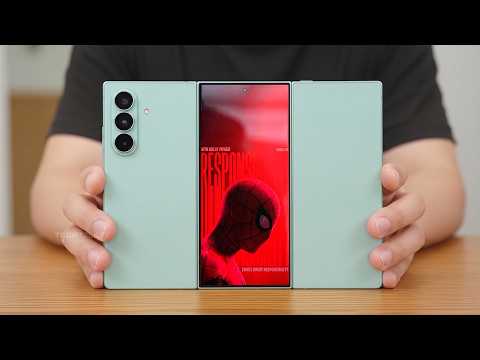
Video: TechTalkTV on YouTube
Inside the Galaxy Z TriFold 2: Rumored Specs and Redesign
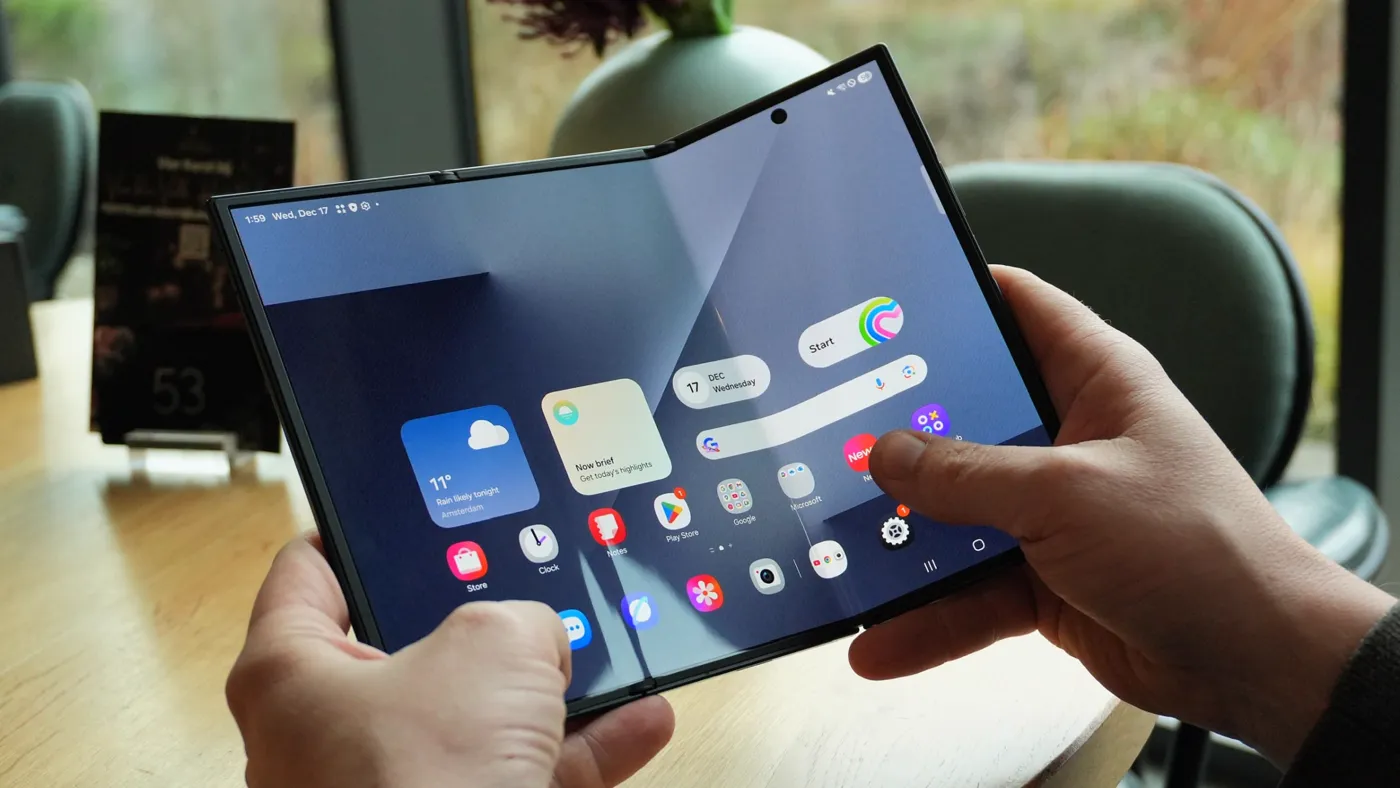 Photo: sammobile.com (source)
Rather than solely relying on its standard dual-screen Galaxy Z Fold 8, Samsung appears determined to lean into more complex, multi-fold engineering. The upcoming Galaxy Z TriFold 2 was originally slated for a late 2027 release, but revised targets suggest Samsung is attempting to bring production forward toward mid-2027, possibly around July.
According to early supply chain briefings, the Galaxy Z TriFold 2 is being engineered to directly address the primary physical shortcomings that plagued Samsung's first dual-hinge device:
- A Slimmer Profile: Engineers are reportedly targeting a folded thickness of approximately 8.9 mm, an enormous reduction compared to earlier prototypes and prior hardware.
- Substantial Weight Reduction: The chassis is being overhauled to shed mass well below the heavy 309 grams of its first tri-fold.
- Redesigned Hinge Mechanism: A next-generation dual-gear hinge structure designed to smooth out panel seams and improve structural rigidity while folding inward.
- Expanded Display Estate: When fully opened, the device unfolds into an expansive 10-inch dynamic AMOLED workspace, effectively serving as an ultra-portable tablet.
- High-End Pricing: Despite manufacturing efficiencies, early estimates indicate Samsung plans to keep the price nearly identical to the original, hovering around $2,899.
Reports also indicate that Samsung could pair this accelerated tri-fold debut with a commercial rollout of its long-rumored slideable or rollable OLED form factor, showcasing display capabilities that Cupertino does not yet produce.
The Predecessor: A Costly Engineering Flex
To understand why Samsung's accelerated timeline is drawing scrutiny, one must look at the fate of the first-generation Galaxy Z TriFold. Samsung initially unveiled the tri-fold in South Korea in December 2025 before bringing it to the United States in January 2026 at a steep $2,899 price point.
While the device served as a technological triumph—unfolding from a thick handset into a 10-inch panel—it was far from a commercial hit. Measuring 12.9 mm thick when folded and weighing a hefty 309 grams, it was cumbersome to carry as an everyday smartphone. Furthermore, its IP48 certification meant that fine debris could easily enter the dual hinge mechanisms.
Samsung quietly discontinued the original TriFold barely three months after its release, winding down sales around March 2026. Analysts widely noted that Samsung produced the handset in tightly constrained volumes and sold it at a financial loss, treating it primarily as a halo concept rather than a sustainable consumer product. Rushing out a second iteration means Samsung must prove it can turn a costly experimental design into a reliable, mass-producible flagship.
The Hardware Showdown: iPhone Duo vs. Samsung Foldables
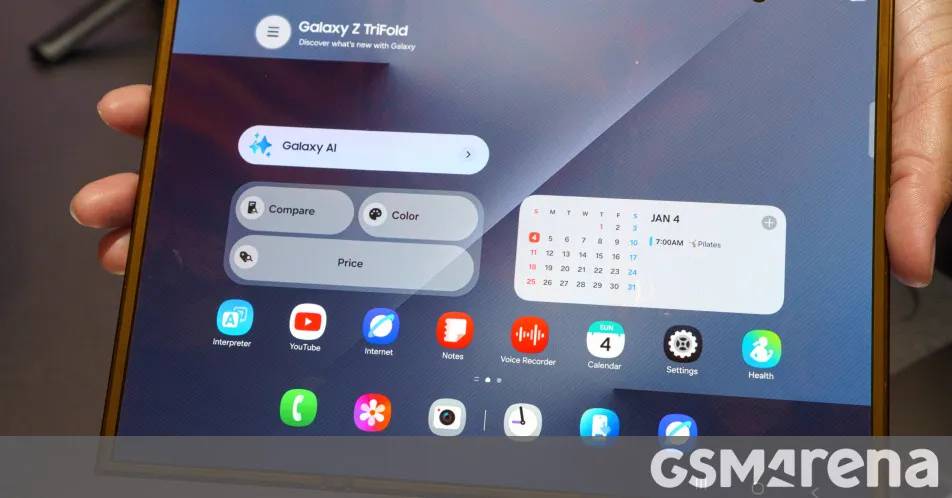 Photo: gsmarena.com (source)
Samsung now finds its foldable portfolio bracketed between Apple's refined single-hinge design and its own high-risk multi-fold ambition. Here is how the relevant flagships stack up based on confirmed specifications and verified supply chain disclosures:
| Specification | Apple iPhone Duo | Samsung Galaxy Z Fold 8 | Samsung Galaxy Z TriFold 2 (Rumored) |
|---|---|---|---|
| Status / Release | Launches Oct 23, 2026 | Released July 2026 | Targeted Mid-2027 (Accelerated) |
| Form Factor | Single Hinge (Book-style) | Single Hinge (Book-style) | Dual Hinge (Tri-fold inward) |
| Outer Screen | 5.4-inch OLED (120Hz) | 6.2-inch Dynamic AMOLED | 6.5-inch Dynamic AMOLED |
| Inner Unfolded Screen | 7.6-inch Super Retina XDR | 7.6-inch Dynamic AMOLED | ~10.0-inch Dynamic AMOLED |
| Folded Thickness | ~9.2 mm | 9.7 mm | ~8.9 mm (Targeted) |
| Weight | 254 g | 201 g | Under 280 g (Anticipated) |
| Durability Rating | IP68 (Dust & Water resistant) | IP48 (Water resistant, Sand vulnerable) | Improved (Rating TBD) |
| Starting Price | $1,999 | $1,599 (Discounted) / $1,899 | ~$2,899 |
Industry Reactions and Corporate Sniping
Publicly, Samsung has attempted to project confidence. Following Apple's keynote, Samsung Mobile US took to social media to poke fun at the iPhone Duo. In one viral post on X, the company quipped, “Let us know when you're done reheating our leftovers,” referencing the seven generations of single-fold Galaxy devices that preceded Apple's entry. Another post mocked the iPhone Duo as “a Sims sequel” and lamented that Apple’s hardware felt “so far, so same”.
Behind closed doors, however, market analysts say the threat is palpable. Market research forecasts project that Apple could capture up to 40% of the global foldable market by 2027, rapidly eroding Samsung’s once-unchallenged dominant share from roughly 40% down toward 35% or lower. While overall foldable volume is expanding, Apple’s ability to command premium price points while providing robust IP68 ingress protection presents an existential threat to Samsung’s high-margin mobile profits.
What This Means for Consumers and Early Adopters
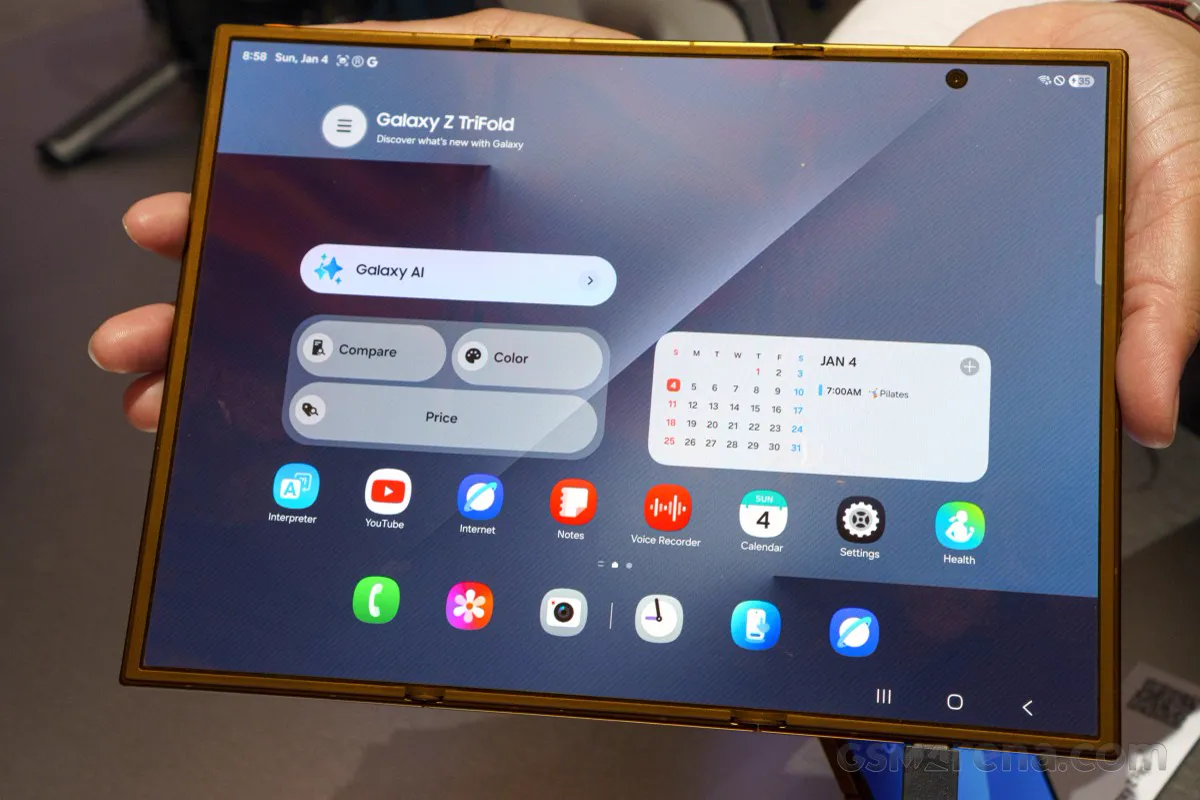 Photo: gsmarena.com (source)
For smartphone shoppers, the heating rivalry is overwhelmingly positive, though buyers should proceed with caution.
If you are currently cross-shopping premium foldables, Apple’s $1,999 iPhone Duo makes a strong case for users deeply embedded in the iOS ecosystem who have avoided foldables due to screen crease or dust concerns. It provides proven water and dust resistance, dependable cameras, and predictable trade-in valuations.
For power users eyeing a potential tri-fold, waiting remains the smartest strategy. The original Galaxy Z TriFold proved that first-generation multi-hinge devices carry heavy compromises in pocketability, battery drain, and thermal throttling. Furthermore, at an expected price of $2,899, the Galaxy Z TriFold 2 will remain an ultra-luxury niche product geared strictly toward enterprise users and enthusiastic early adopters who demand a 10-inch screen inside their pocket.
Unanswered Questions and the Road Ahead
Significant hurdles remain before Samsung can declare victory over Apple's foldable offensive.
First, can Samsung solve the durability puzzle for two hinges? Achieving an IP68 rating across three folding segments and multiple hinge openings represents a monumental mechanical challenge. If the TriFold 2 arrives with an inferior dust-resistance rating, it will remain at a distinct disadvantage compared to Apple's single-crease titanium construction.
Second is the question of yields and cost. With DRAM and display component costs climbing, Samsung must figure out how to manufacture a complex tri-fold without burning cash on every unit sold. As 2027 approaches, the tech world will be watching closely to see whether Samsung's multi-folding ambitions represent the future of computing—or merely a rushed defensive reaction to Apple's arrival.
FAQ
Why is Samsung accelerating the Galaxy Z TriFold 2? Samsung is reportedly moving up its timetable in direct response to the Apple iPhone Duo, aiming to differentiate its foldable lineup with a distinctive dual-hinge, 10-inch form factor that Apple does not offer.
How much will the Galaxy Z TriFold 2 cost? Supply chain reports indicate Samsung plans to price the device at approximately $2,899, which is identical to the launch price of the original TriFold.
When is the Galaxy Z TriFold 2 expected to launch? While previously slated for late 2027, recent reports suggest Samsung is considering an earlier release window, potentially pushing production forward toward mid-2027.
What makes the iPhone Duo different from current Samsung foldables? The iPhone Duo features an IP68 dust-and-water resistance rating, Ceramic Shield construction, and an A20 Pro chip, whereas Samsung’s current Galaxy foldables feature an IP48 rating that remains susceptible to sand and dust particles.
What happened to the original Galaxy Z TriFold? The original TriFold launched in January 2026 in the US but was quietly discontinued roughly three months later due to high production costs, low volume yields, and design criticisms regarding its thickness and 309-gram weight.