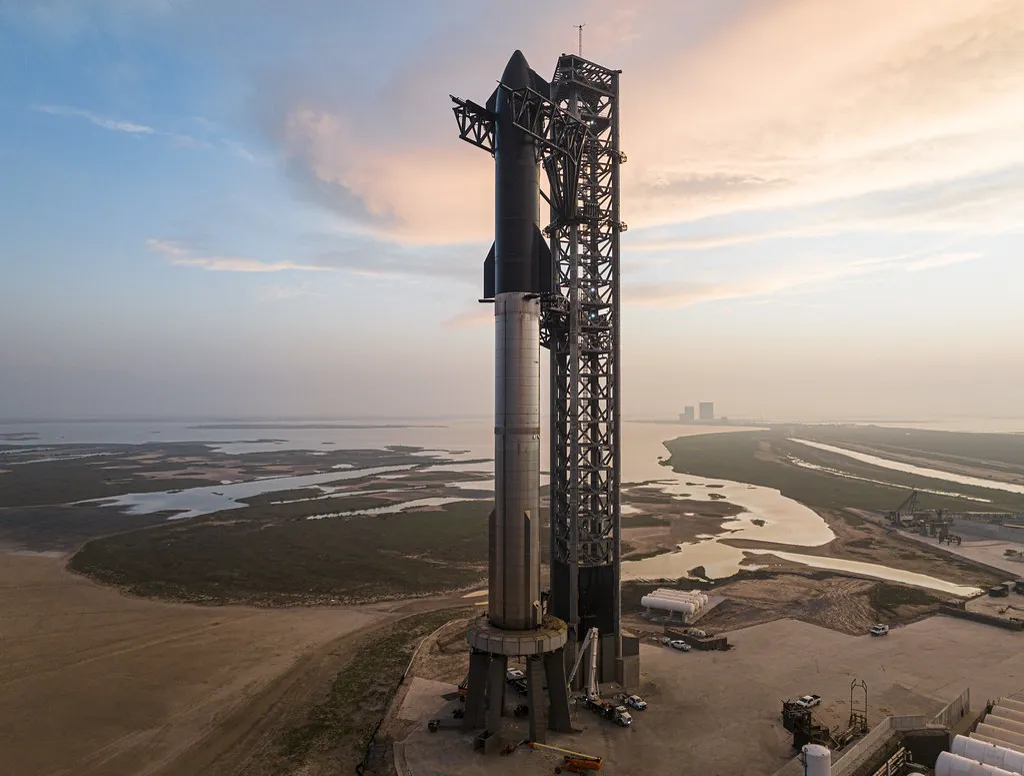
Every Starship test so far has flown a suborbital arc. Flight 14 is meant to change that. SpaceX is currently targeting no earlier than September 18 at 12:15 UTC from Starbase, Texas, for a mission it has described in FCC filings as Starship's first orbital flight, with roughly 20 Starlink V3 satellites headed for an operational orbit. As always, the date is provisional and can slip with weather, hardware readiness or regulatory sign-off.
The hardware
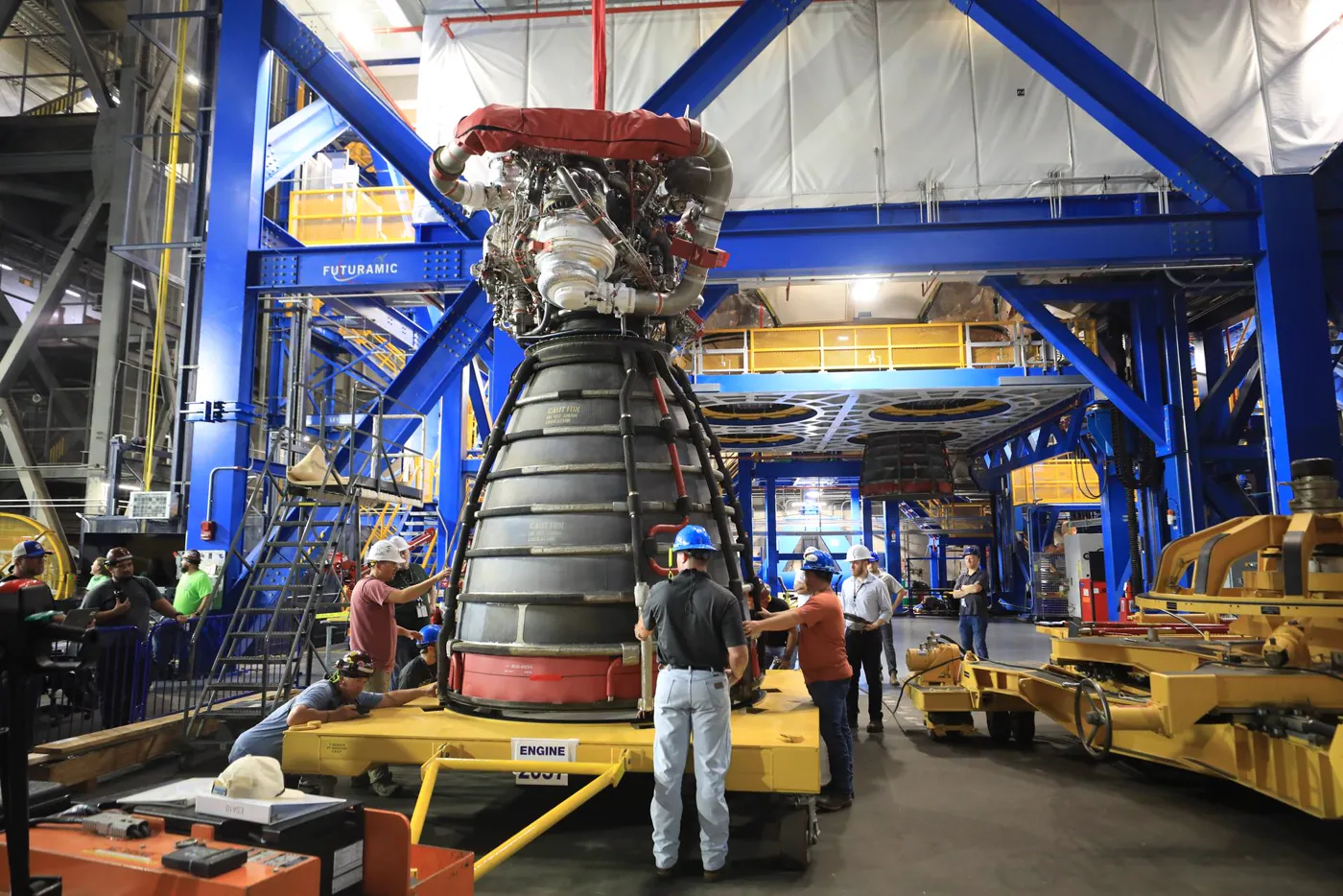
Flight 14 will fly Ship 41 on Booster 21, the third flight of the Starship V3 configuration. Booster 21 completed a full-duration 33-engine static fire on August 28, and Ship 41 has finished single-engine and six-engine firings. One thing that will not happen: SpaceX scaled back plans to attempt catching the ship back at the launch site this time, according to reporting in late August.
Why the payload matters
Starlink V3 satellites weigh about 2,000 kilograms each, more than three times the mass of the roughly 575-kilogram V2 Mini that Falcon 9 carries today, and each is rated for around 1 terabit per second of downlink capacity. That mass is exactly why SpaceX needs Starship: Falcon 9 cannot lift them. If Flight 14 deploys them into a stable orbit, it will be the first time Starship has flown a live commercial payload.
Building on Flight 13
The July 24 flight set the stage. Ship 40 released 20 V3 satellites on a suborbital trajectory, survived reentry with all six engines working, and made what SpaceX called its softest splashdown yet in the Indian Ocean. It was the first ship to survive contact with the ocean; it floated for days, was towed to Christmas Island, and is now being shipped back to Texas. Musk said afterward the result was promising enough to consider catching a ship on land in a future flight.
Source: LookToSpace, SpaceNews
Photo: SpaceX (source)